
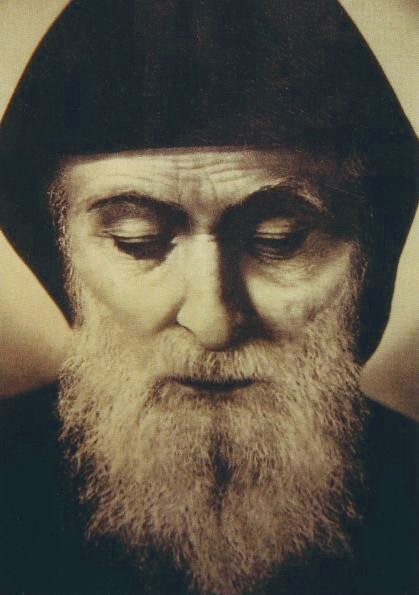
Sharbel Makhlūf
Lebanese Maronite hermit whose austere life and posthumous miracles transformed Catholic veneration.
Patronage
Lebanon, hermits, Maronite Catholics, those seeking intercession and miracles
Virtues & Traits
Biography
Sharbel Makhlūf (1828-1898) was a Lebanese Maronite monk whose life exemplified radical ascetical commitment and posthumous miracle-working power. Born Youssef Zarki in the Maronite Catholic tradition, he entered monastic life at the Monastery of Saint Anthony of Qozhaya. After years in community, he withdrew to a hermitage where he lived in extreme austerity—fasting, maintaining silence, practicing bodily mortification—seeking complete union with God. His monastic spirituality reflected Eastern Christian mystical traditions emphasizing hesychasm and contemplative prayer. Following his death in 1898, pilgrims reported extraordinary miracles of healing attributed to his intercession, leading to widespread veneration throughout the Middle East and beyond. The Church canonized him in 1965, recognizing the authenticity of reported miracles. Unlike Western saints often engaged in apostolic work, Sharbel exemplified the Eastern tradition of the monk-saint whose intercession itself becomes the ministry. He demonstrated how contemplative withdrawal deepens spiritual power benefiting the Church. Sharbel remains a vital figure for Maronite Catholicism and for understanding Eastern Christian monasticism.
Prayer
Prayer to Saint Charbel Makhlouf
O glorious Saint Charbel, mighty intercessor and wonder-worker, we come before you with humble hearts, seeking your powerful aid. You who withdrew from the world to live in solitude and prayer, obtaining from God extraordinary graces and miracles, we beseech you to intercede for us before the throne of the Almighty. Grant us the grace to grow in holiness, to persevere in faith, and to experience the healing power of God's love. Through your intercession, may we find strength in our trials and peace in our hearts. Saint Charbel, pray for us. Amen.
Generated by Find My Saint for personal reflection. Not an official Church prayer.